Krillin’ It: Why Krill Oil Supplements are a Powerful Way to Get Your Omega-3s

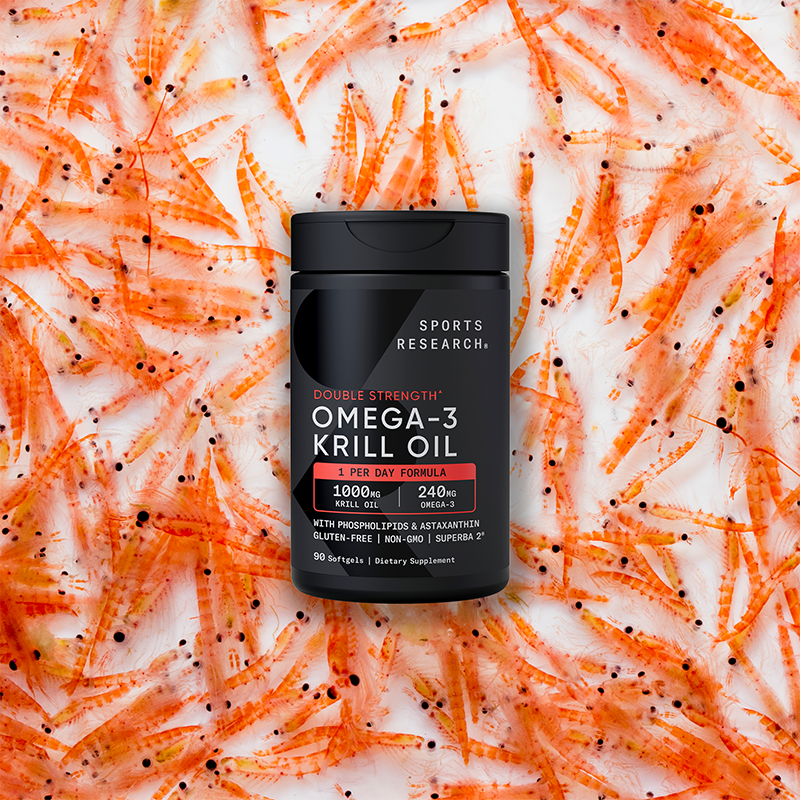
When you think of krill, your first thought might be, “Isn’t that what whales eat?” Yep, you’re right! But these tiny Antarctic crustaceans are also powerhouses of omega-3s, packed with nutrients that support your performance, recovery, skin, and overall health*.
In this guide, we break down what krill oil actually is, the science-supported benefits of krill oil, how it compares to other omega-3 supplements and why it deserves a place in your wellness routine.
What is Krill Oil and Why Should You Consider It?
Krill oil is an extract made from tiny, shrimp-like crustaceans found in the pristine waters of Antarctica. Despite their small size, krill are powerhouses of nutrition, packing in omega-3 fatty acids and antioxidants that are hard to beat.*
The Science Behind Krill Oil
Krill oil isn't just rich in omega-3’s; it also contains astaxanthin, a powerful antioxidant that helps protect your body against oxidative stress.* Astaxanthin is what gives krill their vibrant red color, but its benefits go far beyond just looking pretty. This antioxidant plays a crucial role in protecting your cells from damage caused by environmental stressors like pollution, UV rays, and intense physical activity.*
But that’s not all this little shrimp can do. Krill oil also contains phospholipids, which make its omega-3 fatty acids, especially EPA and DHA, far easier for your body to absorb and use where it matters most.*
Why You Can’t Rely on Diet Alone for Omega-3s
Even if you’re out for sushi a few times a week, there’s a good chance you may still be falling short of optimal omega-3 levels. A 2023 study found that relying on food alone didn’t significantly raise omega-3 status — even in those eating fish regularly. But when participants took an omega-3 supplement with 3,360 mg of EPA + DHA daily, their Omega-3 Index increased significantly over six months.
This means that supplementation is often necessary to achieve the omega-3 levels your body needs for peak performance, recovery, and overall health.
What are the Benefits of Krill Oil?
Whether you’re an athlete or just someone who loves to be active, krill oil can support your daily routine.* Here’s what the research tells us about krill oil benefits:
Supports Exercise Recovery*
When you take krill oil, the omega-3s come in a form your body can absorb and use more easily. They’re attached to phospholipids, which are the same fats that make up your cell membranes. In simple terms, your body recognizes them quickly and puts them to work.
This is good news for workout recovery, as it means your cells have better access to EPA and DHA, helping your body respond to training and recover faster afterward.* A 2023 clinical study supports this. Participants who took 3 grams of krill oil per day experienced less exercise-induced muscle damage and recovered faster between 24 and 72 hours post-exercise compared to a placebo group.* They also showed stronger antioxidant status and markers of healthier post-exercise recovery.*
Supports Exercise Performance*
Because krill oil helps improve omega-3 status efficiently, it supports the systems your body relies on for movement, endurance, and overall performance readiness.*
Higher omega-3 levels help support muscle contraction, and help your body respond to training, creating a well-prepared internal environment for exercise.* The study above also found that krill oil supported healthier post-exercise immune responses, which is key for athletes who train frequently or at higher intensities.*
Supports Skin Health*
Skin health depends on good nutrition. Vitamins, minerals, and essential fatty acids all play a role in supporting skin that looks and feels strong, hydrated, and resilient. Krill oil offers a unique blend of omega-3s, phospholipids, and astaxanthin that support the skin barrier from within.*
A 2024 study supports this, with results from a randomized trial found that participants who took a daily krill oil supplement showed increases in skin hydration and elasticity.*
How Krill Oil Compares to Other Omega-3 Sources
You might be wondering what the difference is between krill oil, fish oil, and other omega-3 options. The truth is, different forms of omega-3s absorb differently in the body, and each source offers unique benefits. Here’s a breakdown of how they compare.
Krill Oil vs Fish Oil
Fish oil is one of the most trusted and widely used omega-3 supplements. It contains the essential omega-3s EPA and DHA and has been researched for decades.
Comes from fatty fish like anchovies, mackerel, and sardines
Contains EPA and DHA in triglyceride form
Well-researched and widely available
May cause aftertaste or “fish burps” in some people
Lower bioavailability than krill oil, meaning the body absorbs and uses its omega-3s less efficiently.
Our Omega-3 Fish Oil is made from single-source Wild Caught Alaska Pollock to ensure we provide a premium quality, fresh product.

Krill Oil vs. Salmon Oil
Both salmon oil and krill oil are excellent sources of omega-3 fatty acids, but they offer those nutrients in different forms and come with unique advantages depending on your wellness goals.
Contains natural EPA and DHA
Typically made from wild-caught salmon
A great whole-food-based omega-3 option
Does not contain phospholipids, which help the body absorb omega-3s more efficiently
Contains no natural astaxanthin unless added separately
Often taken in larger serving sizes to achieve higher omega-3 levels
Sports Research Alaskan Omega-3 Salmon Oil comes in liquid softgels, and is made from wild-caught Alaskan Sockeye Salmon, offering a premium source of EPA and DHA to support omega-3 levels.*s

Krill Oil vs Algae Oil
Algae oil is a vegan-friendly source of omega-3s, especially DHA, which is one of the most valuable omega-3s.It’s made directly from marine algae, which is where fish get their omega-3s in the first place.
100% plant-based
Clean and sustainable
Contains DHA
Typically requires higher serving sizes to match the omega-3 impact of krill oil
Does not include the phospholipids or astaxanthin found in krill oil
If you follow a plant-based lifestyle or prefer a fully vegan supplement, Sports Research Vegan Omega-3 is a vegan, sustainably sourced alternative that delivers the benefits of marine omega-3s without using fish.

Here’s a quick recap of how krill oil stacks up against other omega-3s. The table below breaks down the key differences in benefits, source and serving sizes.
Omega-3 Source | Benefits | Source | Suggested Serving Size |
Krill Oil | Highly absorbable, contains astaxanthin for antioxidant support, phospholipid-bound omega-3s for better absorption.* | Antarctic krill | Adults take 1 softgel daily with food, or as recommended by a qualified healthcare professional. |
Fish Oil | Contains EPA and DHA, well-researched but may cause aftertaste or 'fish burps'. | Fatty fish like anchovies, mackerel, sardines and Alaskan pollock | Adults take 1 teaspoon (5 mL) daily, or as recommended by a qualified healthcare professional. |
Salmon Oil | Contains EPA and DHA, often taken in larger serving sizes. | Wild-caught salmon | Adults take 1-2 softgels daily with food, or as recommended by a qualified healthcare professional. |
Algae Oil | Vegan-friendly, contains DHA, and is a plant-based omega-3 source | Marine algae | Adults take 2 veggie softgels daily with food, or as recommended by a qualified healthcare professional. |
Still not sure which supplement you need? Learn more about choosing the best omega-3 supplement for your health needs in our detailed guide to omega-3s.
Supplements That Pair Well With Krill Oil
Here are the supplements that naturally complement krill oil and help you get even more out of your wellness routine.
D3 + K2
If supplements had power couples, D3 + K2 would be at the top of the list. Vitamin D3 contributes to a healthy immune system and supports bone health by helping you metabolize calcium, and K2 helps ensure that calcium gets deposited in your bones where it’s needed.* Add a high-quality krill oil supplement into the mix, and you’re giving your body the nutrient support it needs to move, train, and feel its best every day.*
Both Sports Research Vitamin D3+K2 and Sports Research Omega-3 Antarctic Krill Oil come as liquid softgels, and are recommended once daily with food. They can be taken together or separately with different meals.

Marine Collagen Peptides
Taking krill oil and marine collagen together is like giving your wellness routine a little glow-up from the inside out.*
Marine collagen provides amino acids that support the structure of your skin, hair, nails, and joints.* It’s what your body uses to maintain smooth, firm-looking skin and supports connective tissue.* When you pair Sports Research Marine Collagen Peptides with krill oil’s omega-3 support, you’re giving your body two complementary tools: collagen to help build and maintain healthy tissues, and krill oil to help keep those tissues nourished and supported at a cellular level.*

Creatine Monohydrate
If you’re looking to bounce back faster from your workouts, combining krill oil and creatine can be a great addition to your fitness routine.* Creatine supports performance and strength* so you push through your workouts, while krill oil helps support workout recovery.*
To add these into your routine, simply take one 5-gram scoop of Sports Research Micronized Creatine Monohydrate once daily, mixing it into water or your favorite beverage.

Why Sports Research Krill Oil Stands Out
At Sports Research, we take sourcing seriously. Our Omega-3 Krill Oil is sourced from the pristine waters of Antarctica, ensuring the highest quality and sustainability. We also make sure our krill oil is MSC Certified, meaning it comes from a sustainable, traceable source that protects marine ecosystems.
Sourced from Antarctic waters for quality, sustainability, and traceability
Phospholipid-bound omega-3s for better absorption
Astaxanthin is naturally included to protect the oil and support antioxidant benefits*
Third-party tested to verify quality, potency, and safety
Easy-to-swallow krill oil capsules with minimal aftertaste
Designed to support everyday people and athletes, who want high-quality omega-3s they can trust
Sports Research Omega-3 Antarctic Krill Oil is best taken twice daily with food, so you might like to take one liquid capsule with your breakfast, and one post-workout. Whether you’re an athlete or someone looking to feel your best every day, krill oil helps your body perform at its best.*

*These statements have not been evaluated by the Food and Drug Administration. This product is not intended to diagnose, treat, cure, or prevent any disease.
Subscribe & Save
- Save 15% on every order
- Free Shipping
- Choose your delivery schedule
- Modify or cancel your subscription anytime